
Thompson Springs
The housing crisis can feel overwhelming.
You can change that!
The Concept
The mission of Thompson Springs is to create living choices, inspired by nature with people experiencing disabilities and those who share their journey.
Learn more about the Concept
The mission of Thompson Springs is to create living choices, inspired by nature with people experiencing disabilities and those who share their journey.
Our purpose is to create new opportunities on the Oregon Coast so everyone can fully participate and thrive in their community of choice.
Our Vision – A welcoming coastal region where everybody has what they need to fully participate and thrive in their community of choice.
The Challenge – While disability is a natural part of life, housing on the Oregon Coast is not yet universally accessible and affordable to people with disabilities.
What is Thompson Springs:
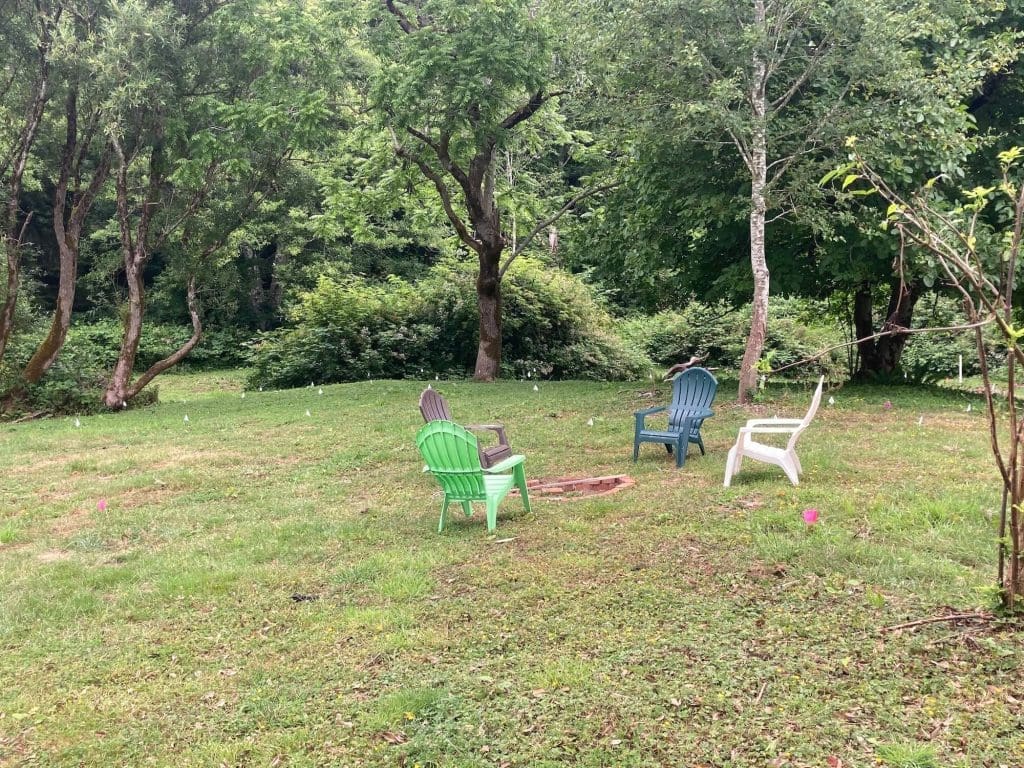
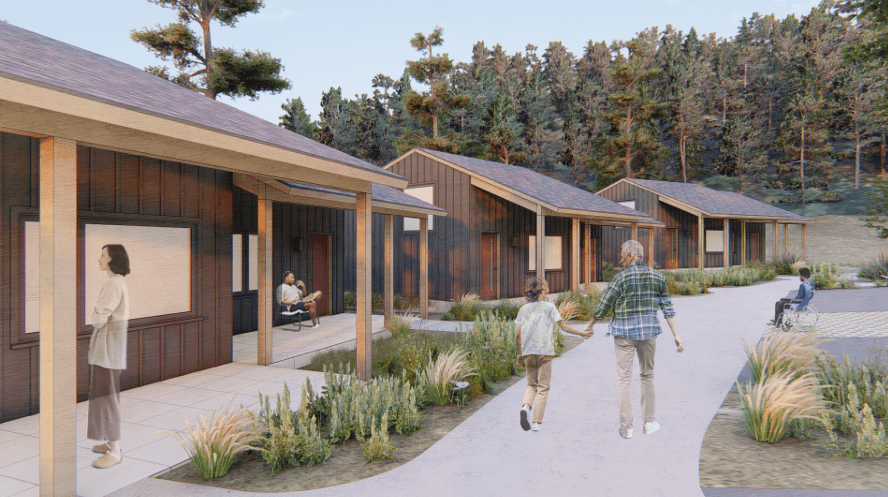
Thompson Springs is an affordable accessible housing community nestled on a 3-acre lot in a bucolic, natural setting in Nehalem, OR. This community will include 10 homes that will be a mix of 2-bedroom and 1-bedroom, semi-detached units.
All the units will be built with the principles of universal design and permanent affordability. Each unit will contain the infrastructure for customization for each individual homeowner, making every unit accessible for someone who has a disability or who will be ageing into a disability.
Thompsons Springs is partnering with Proud Ground to use a land trust to ensure permanent affordability and a homebuyer assistance program (HBAP) that will equip each prospective buyer to be a successful homeowner.
Universal Design is a philosophy of design where the design of products and environments to be usable by all people, to the greatest extent possible, without the need for adaptation or specialized design.
Learn more about Universal Design
Universal design is a philosophy of design where the design of products and environments to be usable by all people, to the greatest extent possible, without the need for adaptation or specialized design.
Universal Design has seven (7) principles
- Equitable Use: The design is useful and marketable to people with diverse abilities.
- Flexibility in Use: The design accommodates a wide range of individual preferences and abilities.
- Simple and Intuitive Use: Use of the design is easy to understand, regardless of the user’s experience, knowledge, language skills, or current concentration level.
- Perceptible Information: The design communicates necessary information effectively to the user, regardless of ambient conditions or the user’s sensory abilities.
- Tolerance for Error: The design minimizes hazards and the adverse consequences of accidental or unintended actions.
- Low Physical Effort: The design can be used efficiently and comfortably and with a minimum of fatigue.
- Size and Space for Approach and Use: Appropriate size and space is provided for approach, reach, manipulation, and use regardless of user’s body size, posture, or mobility.
The leading experts in universal design locally and nationally are working hard to incorporate the principles of universal design as basic principles in all architectural design.
To learn more from leading local experts in Portland, OR, visit
Community Vision
and their
Center for Excellent in Universal Design.
To learn more from leading national experts visit the
North Carolina State University College of Design Center for Universal Design.
The Units
Thompson Springs will include 10 homes that will be a mix of 2-bedroom and 1-bedroom, semi-detached units. All the units will be built with the principles of universal design and permanent affordability.
Learn more about the Units
Thompson Springs will include 10 homes that will be a mix of 2-bedroom and 1-bedroom, semi-detached units. All the units will be built with the principles of universal design and permanent affordability.
1-Bedroom units
- 4 total units
- 592 SQFT
- Includes barrier free entry, full kitchen, full bathroom with wheelchair accessible shower, washer and dryer in unit, a front porch and a private back deck.
- Adaptive design allows for personalization based on individual needs and preferences.
1-Bedroom affordability
- 3 units available at or below 80% AMI*
- 1 unit available at or below 120% AMI
2-Bedroom units
- 6 total units
- 882 SQFT
- Includes barrier free entry, full kitchen, full bathroom with wheelchair accessible shower, washer and dryer in unit, a front porch and a private back deck off the primary bedroom.
- Adaptive design allows for personalization based on individual needs and preferences.
2-Bedroom affordability
- 5 units available at or below 80% AMI*
- 1 unit available at or below 120% AMI
*Through our Home Readiness program we are currently working with local investors through our shared equity model to create homeownership opportunities for people with I/DD with household incomes below 80% AMI. To understand why this is important, see our sections “I/DD and Housing” and “I/DD and Affordability.”
Universal accessibility is the principle that every person has what they need to fully participate and enjoy a place, product, service, or role independently.
Learn more about Universal Accessibility
Universal accessibility is the principle that every person has what they need to fully participate and enjoy a place, product, service, or role independently.
Universal design provides the toolkit for the design of environments, products, services, and information in ways that can be used and understood by all people, regardless of age, ability, or background—without the need for special adaptation. What this means in application is the design of spaces and systems that are inherently inclusive from the start, ensuring everyone can participate fully and independently in community life.
For people with intellectual and developmental disabilities (I/DD), universal accessibility reduces barriers to communication, mobility, and participation, allowing for greater autonomy, safety, and belonging. It ensures that social, educational, and health services are not just technically available, but truly usable and welcoming.
At the same time, universal accessibility benefits everyone else. Clear signage, intuitive design, accessible websites, and flexible communication tools help people with temporary injuries, language differences, aging-related changes, or situational limitations (like low lighting or background noise). In essence, designing for accessibility creates environments that are more functional and sustainable for all.
Universal accessibility in housing applies these concepts to both the physical design of housing units and the financing products available to purchase or rent these units once built. Housing that meets these two criteria for accessibility is called accessible affordable housing. Accessible housing is housing built with the principles of universal design, but accessible housing is not, by definition, affordable. Accessible housing uses principles of universal design to push past limiting ADA requirements to open opportunities. Accessible housing is often portrayed as being more expensive, although that claim is not borne out by the facts. When the principles of Universal Design are applied during the design phase, the impact to the cost of ownership is negligible.
This project is also deploying three mechanisms for affordable to make these units truly universally accessible for people with I/DD. These mechanisms include: a community land trust model, and shared equity homeownership model, and government homebuilder incentives.
To learn more about affordability in housing, see our section on “Permanent Affordability.”
Home Readiness
Our Home Readiness program combines education on self-determined living and secures investment in shared equity homeownership to provide the resources for anyone in our community to create the home that works best for them.
Learn more about Home Readiness
Our Home Readiness program combines education on self-determined living and secures investment in shared equity homeownership to provide the resources for anyone in our community to create the home that works best for them.
Housing choice is a bedrock principle for living a self-determined life. Unfortunately, far too many people with I/DD are denied access to housing choice, either through structural impediments or a lack of awareness of what choices are really available. Sammy’s Place is working to overcome both of those barriers by working with our families to help them identify the type of home that works best for them, and then to build the strategy to achieve that goal. To do this, we are working in partnership with numerous community programs to provide comprehensive educational opportunities on renting and ownership and we are working with community investors to create more opportunities for shared equity homeownership for those for whom homeownership is the right choice.
Home Readiness EducationSammy’s Place is proud to be working with partners around the state to provide comprehensive educational opportunities preparing people with I/DD for self-determined living. These partnerships include:
- The Oregon Self Advocacy Coalition – OSAC has various resources for people with I/DD navigating the housing system and works through their housing committee to advocate for more and new housing opportunities for people with I/DD.
- The Oregon ABLE Savings Plan – People with I/DD receiving Developmental Disabilities services face limits on earned income and savings. The Oregon ABLE Savings Plan provides opportunities to build wealth while working within the DD services system.
- Housing Choice Voucher Program – The Northwest Oregon Housing Authority operates the local Housing Choice Voucher Program that serves renters and homebuyers in Tillamook and Clatsop Counties. This program provides financial assistance to qualified renters that can be transferred to homeownership for qualified buyers.
- Proud Ground – We are excited to partner with Proud Ground to provide comprehensive training on homeownership for those for whom homeownership is the best choice. Proud Ground offers a proven course of training that equips prospective homebuyers to be successful homeowners.
Home Readiness and Shared Equity HomeownershipSammy’s Place is working to create the conditions where people with I/DD have access to all the housing choices on the market. This means creating the conditions for homeownership for those for whom this is the right choice. In addition to working with our community partners like Proud Ground to provide education on homeownership, Sammy’s Place is also working with local investors to raise the funds for shared equity homeownership opportunities that will make homeownership financially accessible for people with I/DD. Thanks to the generous contributions of the Kuni Foundation and the Fairview Trust, and with the support of the Oregon Housing and Community Services Local Innovation and Fast Track (LIFT) Homeownership Program, we are already able to provide for some shared equity partnerships. With the support of more community investors we will be able to make more units more accessible to more potential homebuyers with I/DD.
To learn more about shared equity homeownership and how it makes homeownership available to people with I/DD, see our sections on “Permanent Affordability” and “I/DD and Affordability.”
Why homeownership?Homeownership is a public good that improves the lives of families and the community.
- Homeownership improves physical and mental health, physical safety and security, and improved financial and employment prospects.
- Homeownership also promotes civic and social engagement, with homeowners showing increased likelihood of voting in local elections, participating in civic organizations, and building social networks within their community.
Homeownership is not the right choice for everyone, but it is the right choice for some. Sammy’s Place is working to create the conditions for housing choice that includes homeownership for people with I/DD for whom homeownership is the right choice for them.
Disability is all around us, and we are all aging into disability, yet our existing housing stock is not built for an aging or disabled population.
Learn more about I/DD and Housing
Disability is all around us, and we are all aging into disability, yet our existing housing stock is not built for an aging or disabled population. People with I/DD are at the forefront of bringing attention to these critical issues impacting housing on the Oregon Coast.
Disability and Housing
- 1 in 4 individuals identifies as disabled
- Only 5% of federally funded projects are accessible
- Only 2% of non-federally funded projects are accessible
- Less than 1% of the US housing stock is currently wheelchair accessible
Aging into Disability
- 19% of U.S. households, or 23.1 million households, include an individual who has a mobility-related disability
- That includes anyone who has difficulty accessing their home or accessing and using spaces in their homes, or uses a device to assist with their mobility
Housing insecurity
- People with IDD experience higher rates of homelessness than the general population.
- Homeownership advances housing security, especially for people with IDD. Consider that:
- 61% of people with IDD in Oregon live with family or a caregiver
- 27% are living with caregivers that are 60+ years old
- Housing insecurity and the risk of homelessness increases as age and physical limitations may prevent many caregivers from continuing to provide stable housing.
Do people with IDD even want to own a home?
Yes, people with IDD want the same options as anyone else, including the option to own their own home. Consider the following:
- The National Low Income Housing Coalition reports that people with IDD want the ability to control where and with whom they live, the choice of how they spend their time, and the choice to decide what supports are needed.
- The Arc and the Council on Quality and Leadership (CQL) report that people with IDD need and want more options to live independently in their communities – equal access to affordable and accessible public housing can help fill that need.
- Finally, at the Inclusive Leadership Summit in Salem, OR on September 12, 2024, Oregon self-advocates themselves clearly articulated a desire for housing choice, including homeownership.
To learn more about I/DD and housing see the “Access Denied” report from Community Vision.
To learn more about accessibility and housing, see the Accessibility in Housing:
Findings from the 2019 American Housing Survey, published by the US Department of Housing and Urban Development
Permanent Affordability
Affordable housing is housing that is sold or rented below market rate and reserved for low-income buyers or renters.
Learn more about Permanent Affordability
Affordable housing is housing that is sold or rented below market rate and reserved for low-income buyers or renters. Affordable is also not, by definition, accessible, however, there is really no financial reason why affordable housing cannot also be universally accessible. There are various mechanisms that can be used to make housing affordable, and you often see multiple mechanisms deployed in affordable housing developments.
Affordable housing is a complicated term that has different meanings in different contexts. Ultimately, there is a spectrum of housing affordable metrics associated with level of income. The metric called the Area Median Income, or AMI, is used to create these income levels. The AMI is exactly what it sounds like, it is the median income – generally referring to household income – for a defined geography. In Tillamook County the eligibility standard for affordable housing programs would be a household income at or below 80% AMI. In Tillamook County, for a single person household, 80% AMI is an annual income of $45,300 as of 2024.
Two of the most common mechanisms to make housing affordable are: (1) government incentives (subsidies) for the construction of affordable rental and ownership units and (2) shared equity homeownership. Government incentives tend to come in the form of grants to developers to build housing – rentals or homeownership – that provide a financial offset to the developer to make up for the loss they will incur by renting or selling below market rate.
Shared equity homeownership
Shared equity homeownership is a special form of residential arrangement that is managed by a nonprofit organization. The arrangement usually puts restrictions on the amount of equity that a homeowner may earn upon resale of the unit to preserve its affordable price.
Community land trust
Limited equity homeownership is also often partnered with some form of land trust model. In a land trust a structure – the home – is sold to and owned by the homeowner, but the land upon which the structure sits is held in trust and owned by a second entity, typically a non-profit organization. The land trust reduces the overall price of the home by not including the cost of the land in the sale price of the home. It is not unusual for an affordable homeownership development to use the mechanisms of government subsidies, limited equity partnerships, and land trusts, to work toward maximum affordability.
Sammy’s Place is proud to be collaborating with Proud Ground as the Community Land Trust partner for Thompson Springs. Click here to learn more about Proud Ground and the Community Land Trust model.
Click here to learn more about permanently affordable housing using shared equity and community land trusts right here in Oregon with the local Habitat for Humanity affiliates around the state.
Click here to read some of the latest research on shared equity homeownership from the National Housing Conference.
How does this all work?
Thompson Springs will combine the shared equity model and a community land trust model to maximize the affordability of these 10-units.
As an example, let’s look at a home with a sale price of $200,000. Let’s say that a qualified low-income homebuyer can afford to pay $120,000 for the home. To make this home affordable, a government partner may subsidy part of this home, with a direct subsidy to the homebuilder to offset their costs. In Oregon, this program is called the Local Innovation and Fast Track (LIFT) Homeownership Program. Let’s say that the homebuilder receives $40,000 in LIFT to make this home affordable, so the homebuilder can now afford to sell the home for $160,000. To close this gap, community investors contribute an additional $40,000, to be held in trust as what is called a “silent second mortgage,” which is held by a non-profit organization. Between the government investment and the community investment, this $200,000 home can now be sold to a qualified low-income household for $120,000. This is where the “shared equity” piece comes into play. While the homebuyer will own the home, the equity in the home is shared between the homebuyer and the nonprofit organization. In this example, 60% of the equity stays with the homebuyer and 40% of the equity stays with the nonprofit. In the event that the home is sold, the equity accrued is then distributed to the homeowner and the nonprofit accordingly. The nonprofit then reinvests their share of the equity into resale, ensuring that the home remains affordable for subsequent buyers.
Click here to access Proud Ground’s resources on how these models of permanent affordable work to build financial equity while maintaining permanent affordability.
Isn’t this just giving someone a house?
- No! Homebuyer assistance is an investment in the community that enables a home to be sold below market value and that ensures that the home will remain permanently affordable.
- The investment does not convey to the homebuyer, but stays with the property, enabling the property to be resold below market value.
- These investments make homeownership a real choice for more of our families in the community while making a permanent and ongoing contribution to housing stability and security for our local residents.
I/DD and Affordability
There is a housing affordability crisis on the Oregon Coast, but conditions are even worse for people with I/DD.
Learn more about I/DD and Affordability
There is a housing affordability crisis on the Oregon Coast, but conditions are even worse for people with I/DD. Structural impediments built into our Developmental Disabilities services at the state and national level create barriers for people with I/DD to create financial self-determination, including barriers to homeownership.
Saving for a House
- People with IDD who are on SSI benefits have limited pathways to saving for a home.
- SSI benefits only allow an individual to save up to $2,000 within their personal account.
- The Oregon ABLE plan affords a person with IDD the opportunity to make contributions to an investment account, but only up to an additional $19,000 yearly maximum.
- Click here to learn more about the Oregon ABLE Savings Plan
Income and Affordability
- People with IDD are among the nation’s poorest citizens.
- For many, Social Security and Supplemental Security Income (SSI) benefits are their primary or only source of income.
- The average income for an adult with IDD in Oregon is only $943 a month from SSI payments.
- People working while receiving SSI benefits see their benefits decrease the more they earn
- For every $2 you earn from work, your SSI payment is reduced by about $1.
- Click here to learn more about Supplemental Security Income (SSI) benefits
- In most housing markets in Oregon and Southwest Washington, monthly housing costs exceed supplemental security income (SSI) benefits
- As a result, most people with IDD live off of income that places them between 15% of Area Median Income and 35% AMI.
What is Area Median Income or AMI?
- Area Median Income is defined as the midpoint of a specific area’s income distribution, meaning half of the households in that area earn more, and half earn less.
- Your percentage of AMI is essentially your financial relationship to this midpoint.
- In Tillamook County, the AMI is $83,500 for a household of 4.
- According to the Nerdwallet affordability calculator, a family earning $83,500 can afford a monthly mortgage payment of $2,504 and a home up to $346,817 under ideal conditions (i.e. no other outstanding debts and 20% downpayment).
- According to Redfin, the median home price in Tillamook County in 2025 was $514,000.
- The median home price in Tillamook requires a household income between $125,000 and $175,000, which is 150% to 210% AMI.
- A person with IDD earning the maximum income between SSI benefits and work may earn around $30,000 annually, or about 35% AMI.
- This means that they can afford a monthly mortgage payment of about $875 and a home up to $96,000, assuming a $2,000 downpayment and no Oregon ABLE account.
To learn more about the structural barriers facing people with I/DD seeking housing, see the “Access Denied” report from Community Vision at https://cvision.org/learn-advocate/housing-campaign/
- And visit https://www.ssa.gov/ssi

The vision is small ownership units for anyone and intentionally including those with I/DD. The desire is owner/neighbor communal space indoors and out which encourages ‘community’ – common-unity, to help end isolation. Outdoor spaces encourage a bond with nature which needs for our attention on its own health, and homeownership, something many never have a shot at, especially when from an underrepresented minority. We believe in giving everyone a chance at the dream and to think big! We know it is out of the box and cost is always a part of the equation, but we have enough good support that recognizes we’ve perhaps had blinders on and there is more to see and include.
We cannot thank everyone enough for all the support and good-hearted people that see this as something different and new, and something that is desperately needed.
Thank you.
Please contact us with questions or to help out.
**************************************************************
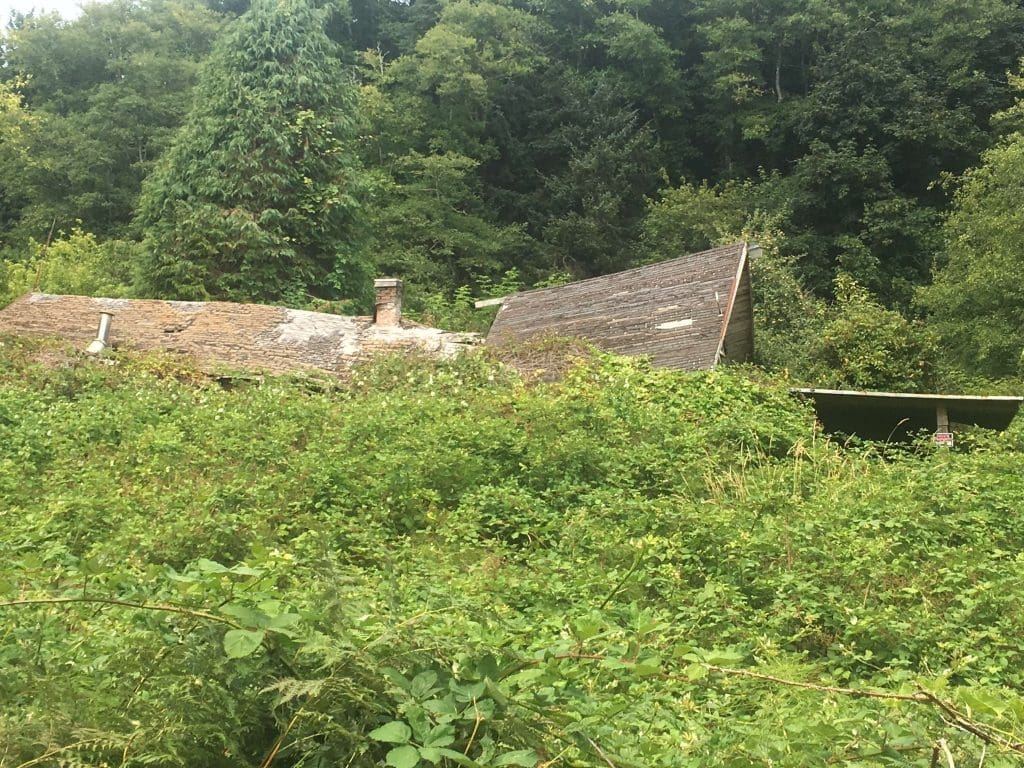
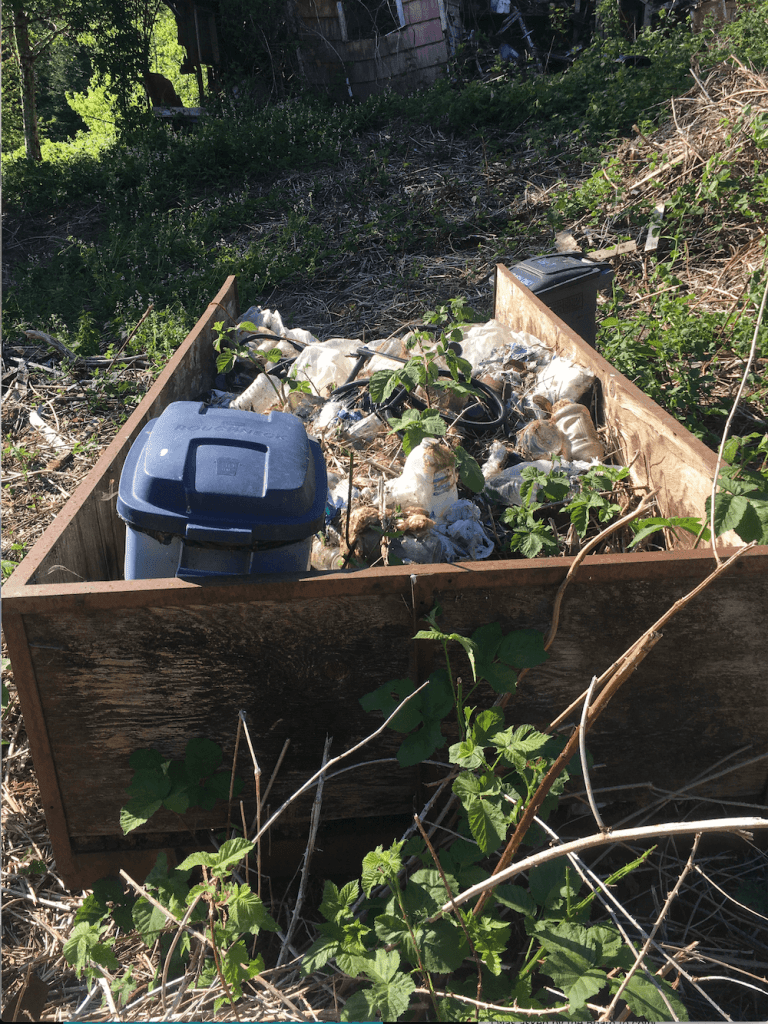
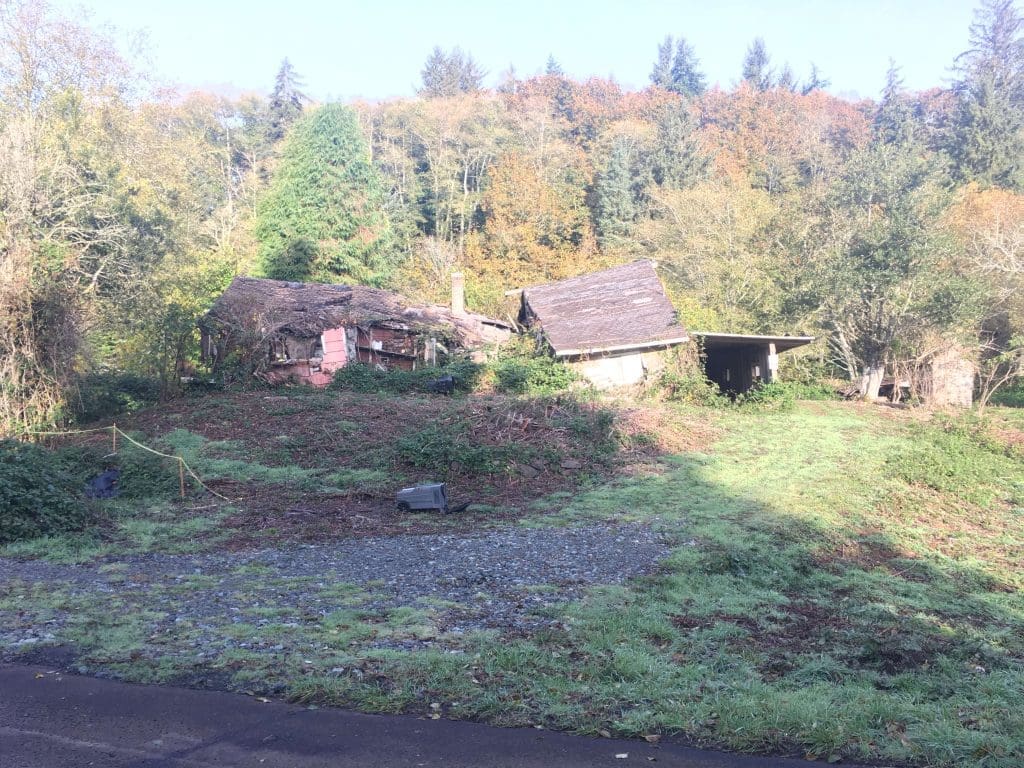
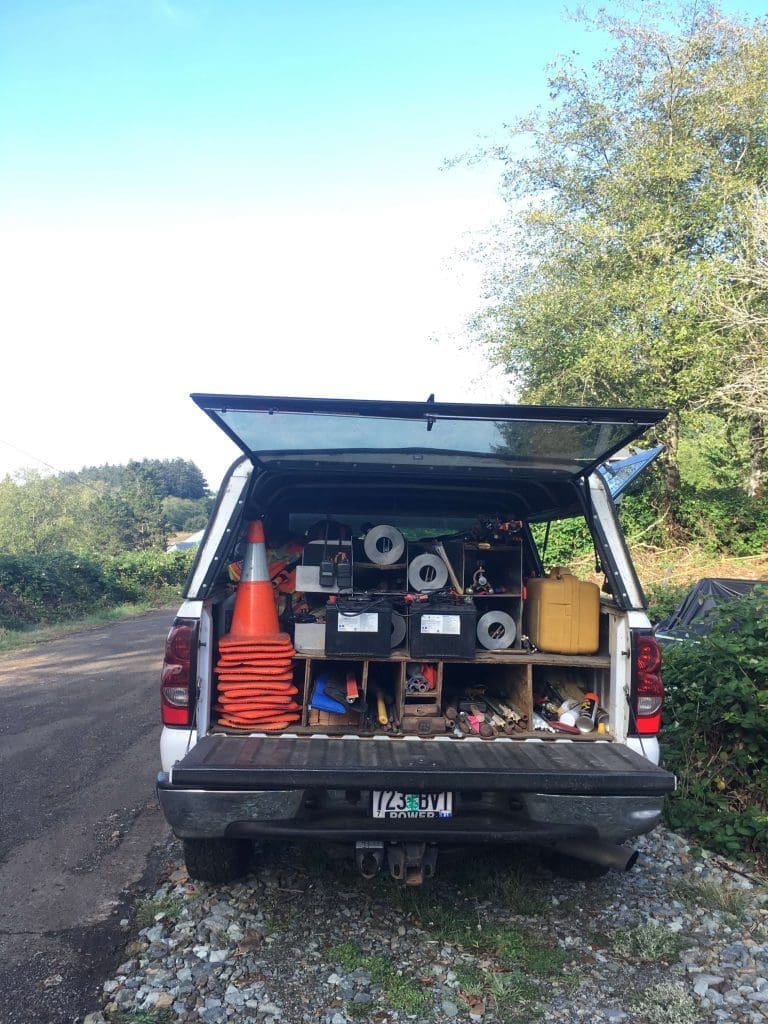
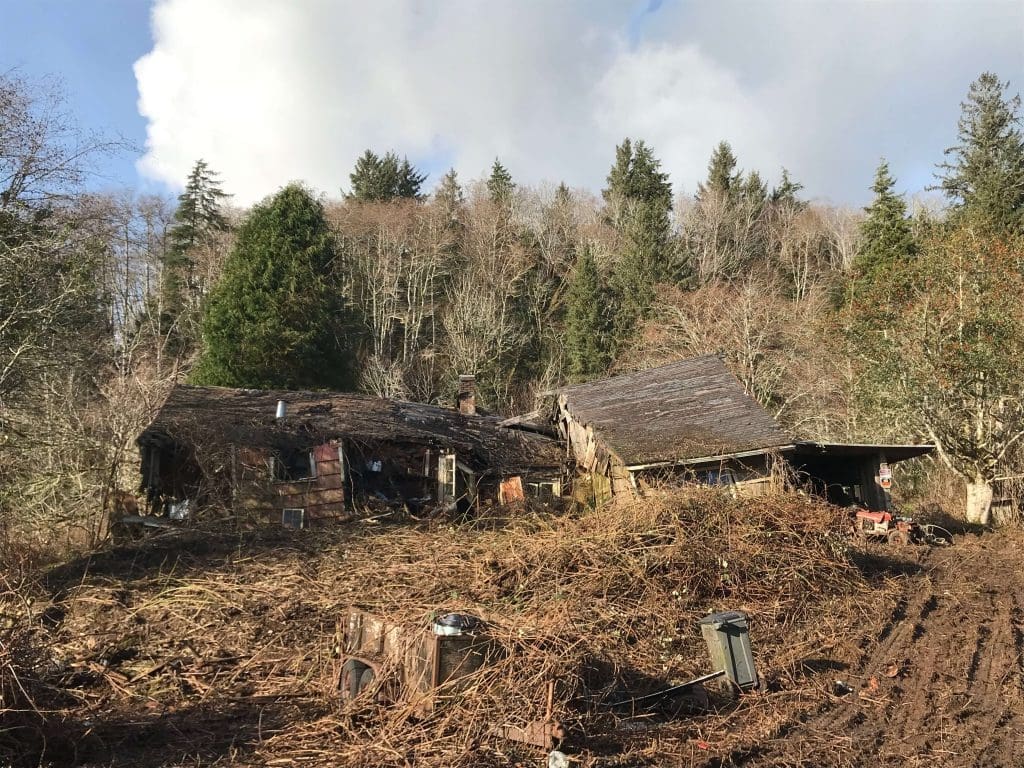
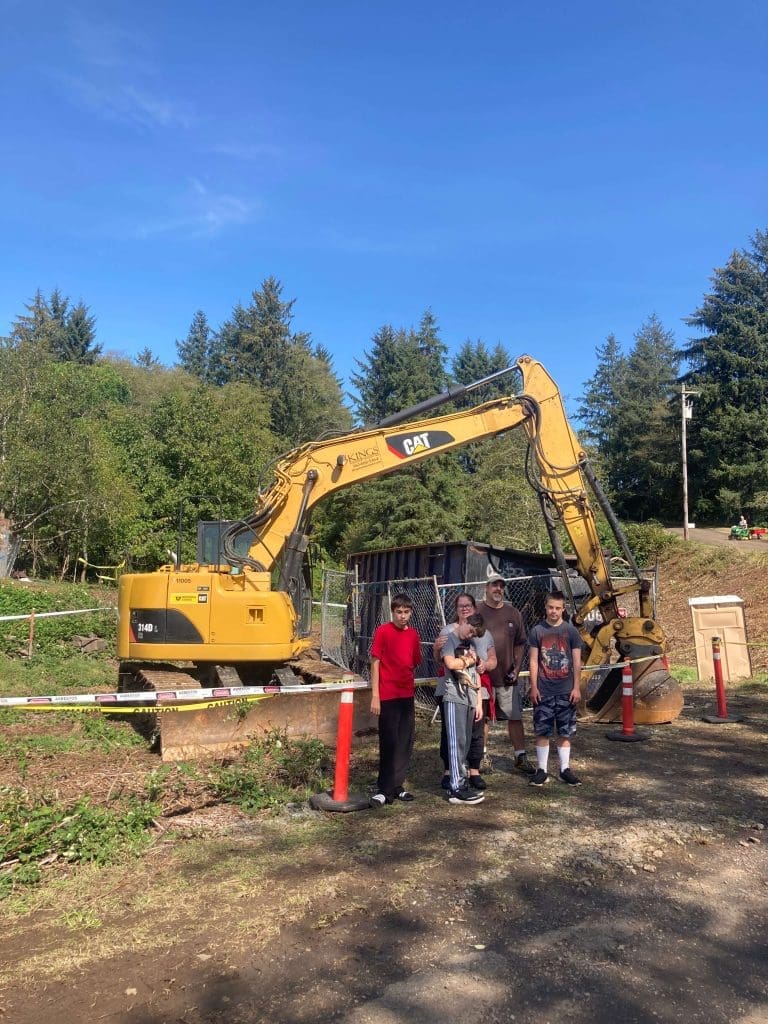
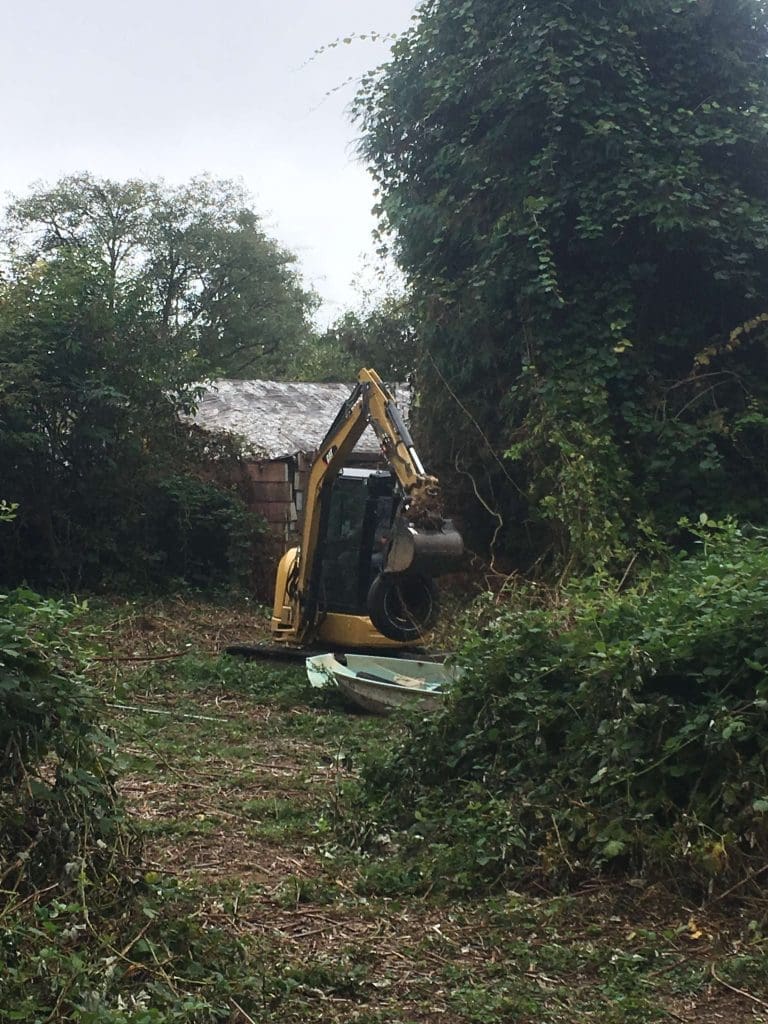
A giant thank you to the Oregon Dept. of Environmental Quality and the Environmental Protection Agency for the extensive support, vision, and cleanup. Without them and the good people who understand the need for partnerships throughout a project, this work could not move forward. See more here.
Check out the cleanup pictures here…





Thompson Springs Pic
Thompson Springs Update: October 2025Thompson Springs Video 1-MinuteThompson Springs Bifold November 2025Thompson Springs for Download pdfKTIL Radio Interview – Thompson Springs 11/26/25
The Housing crisis can feel overwhelming — but you can change that.
Help families today — and tomorrow — achieve the stability, wealth, and dignity of homeownership.
DONATE TODAY AND SUPPORT THOMPSON SPRINGS